
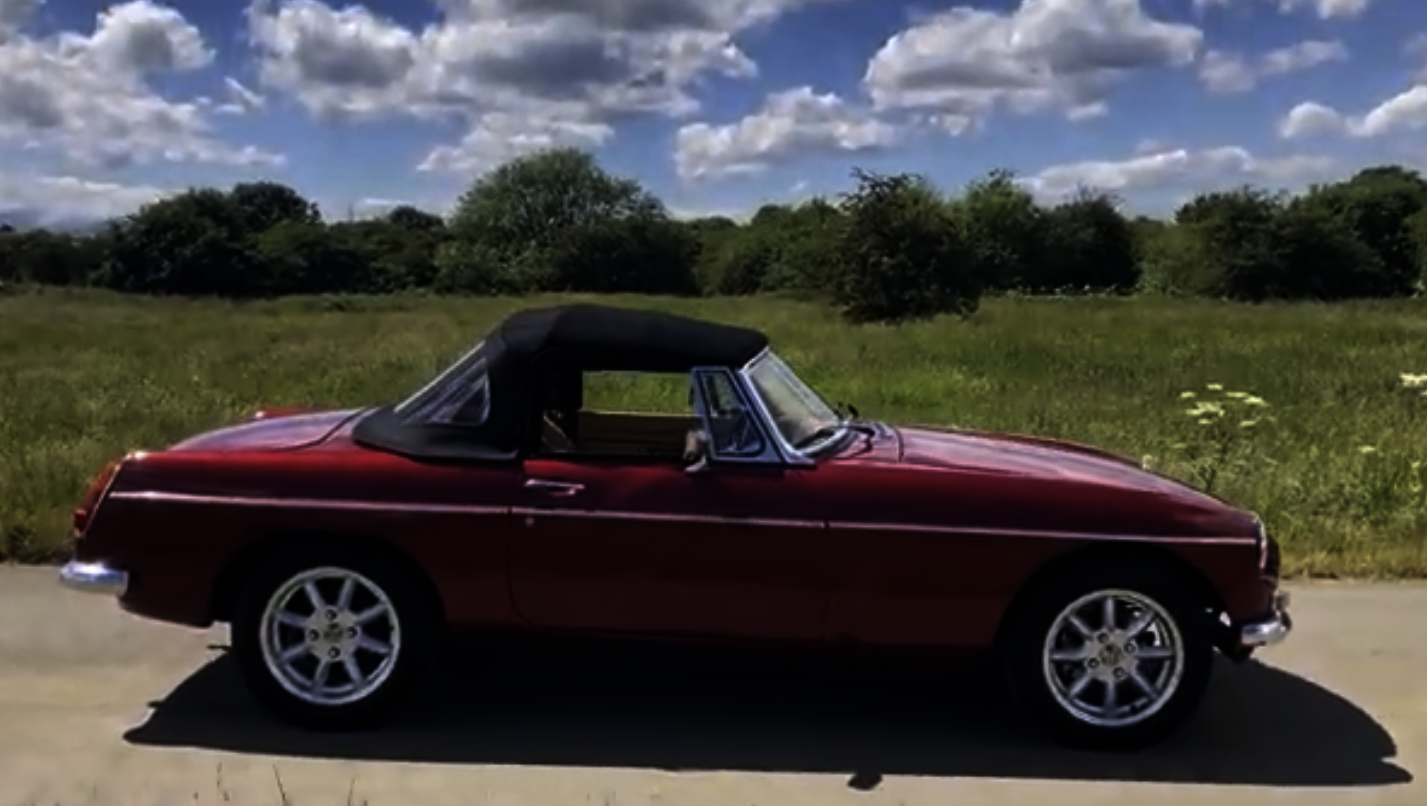
An MGB restoration before and after comparison can be impressive. A tired body becomes presentable, faded paint gains depth and a worn interior looks ready for the road again. However, the visible finish is only part of the story. The more important transformation often sits beneath the surface, in the areas that determine how the car drives, stops, lasts and feels to use.
For that reason, restoration photographs should be read as a record of work rather than simply a promise of appearance. The starting condition, the scope of the rebuild and the decisions made during the process all matter. Two MGBs may look similarly polished when completed, yet differ considerably in their structure, mechanical specification, electrical work and level of preparation.
What “before” really tells you
A before photograph provides useful context, but it cannot show everything that needs attention. Surface rust may be visible around the wings, sills or door bottoms, while corrosion hidden beneath carpets, underseal or trim may not appear until the car is dismantled. Previous repairs can also conceal problems, particularly where panels have been layered over weakened metal.
The condition of an MGB should therefore be assessed in stages. Initial photographs can show the general state of the car, its completeness and the extent of visible deterioration. A proper inspection and, where appropriate, disassembly reveal more about the structure. This is when the restoration plan can be refined around evidence rather than assumption.
Useful records may include photographs taken during stripping, repairs and reassembly. These images can help explain what was removed, what was repaired and which components were replaced or upgraded. They also make a before and after comparison more meaningful because they show the work that is normally hidden once the car is finished.
The body shell is the foundation
Paint can change the appearance of an MGB quickly, but sound bodywork takes more considered work. A restoration may involve removing old paint, assessing seams and mounting points, repairing corrosion, correcting previous accident damage and ensuring that replacement metal is properly fitted. The exact work depends on the individual shell.
Important areas include the sills, floor sections, inner wings, wheel arches, door apertures, suspension mounting points and other structural or load-bearing areas. The aim is not simply to make the outside look straight. The shell must be checked as a whole so that doors, bonnet, boot and panels align correctly and the car has a coherent foundation for the rest of the build.
Panel gaps are often discussed in before and after photographs because they are easy to see. They can indicate careful fitting, but they should not be considered in isolation. The quality of the metalwork, the treatment of repaired areas and the relationship between structural repairs and exterior panels are equally important.
Paint is the result of preparation
A high-quality finish begins long before colour is applied. Once metalwork has been completed, the shell needs appropriate preparation, including cleaning, protection of repaired areas and careful attention to straightness and surface quality. Imperfections that are overlooked early in the process may become more obvious after paint.
Colour is a personal decision for many MGB owners. Some prefer a period-style shade, while others want a more individual finish. Either route can work when the preparation, materials and application are suited to the intended result. A before and after story should make clear whether the car has been refinished as part of a wider rebuild or simply received cosmetic attention.
It is also worth looking beyond the large painted surfaces. Shut faces, door edges, engine-bay areas, boot compartments, wheel arches and underside details contribute to the overall impression. These areas may not dominate a photograph, but they affect how complete the car feels when viewed closely or used regularly.
Mechanical renewal changes the driving experience
The mechanical side of a restoration is where an MGB can become more than a visual project. An engine may be inspected, rebuilt or replaced according to its condition and the intended use of the car. The same applies to the gearbox, clutch, propshaft, differential, cooling system and exhaust system.
Not every restoration requires every component to be rebuilt. The appropriate scope depends on evidence, specification and budget. However, a car that looks freshly painted but retains neglected mechanical systems may not deliver the ownership experience its appearance suggests.
Suspension and steering deserve particular attention because they influence control, ride and confidence. Components may include dampers, springs, bushes, kingpins, bearings, track-rod ends and other associated parts. Brakes should be assessed as a complete system, including hydraulics, pipes, hoses, calipers, drums and the handbrake mechanism where fitted. The objective is a balanced, predictable car rather than an isolated collection of new parts.
Where a rebuild includes changes to the engine, gearbox, brakes, suspension or electrical system, the specification should be documented clearly. You can review an example of the areas that may be considered in the MGB rebuild specification, while remembering that an individual car’s work should always be confirmed separately.
Electrical work is part of the hidden transformation
Electrical problems are not always visible in a before and after image. A car may appear complete while carrying aged wiring, poor connections, tired switches or previous modifications that require closer inspection. During a restoration, the loom, terminals, earth points, fuses, relays, charging system, lighting and instruments can be checked and repaired or renewed as required.
Good electrical work is generally neat, accessible and appropriate to the car’s specification. It should also be considered alongside any additions, such as upgraded lighting, audio equipment, cooling fans or other owner-selected features. Changes need to be installed carefully so that they do not create avoidable reliability or servicing problems.
Testing is as important as installation. Circuits should be checked individually, with attention to charging, starting, lighting, instrumentation and any additional equipment. The final photographs may show a clean engine bay, but a useful restoration record should also explain how the electrical system was brought into dependable working order.
The interior completes the transformation
An MGB interior can make a substantial difference to how the finished car is experienced. Seats, carpets, door cards, dashboard finishes, trim panels, seals, hood components and steering-wheel details all contribute to the result. Wear patterns and damage may also reveal how the car was used before restoration.
Replacement trim does not automatically mean that the interior has been improved. Materials, stitching, colours and fit need to work together, and the specification should suit the character of the car. Some owners want an appearance close to the original, while others choose selected changes for comfort or personal preference.
The same principle applies to weather protection. A roadster’s hood, frame, seals and related fittings need to be assessed as a system. A tidy cabin is more useful when it remains practical in normal use, with doors, windows, locks and controls operating as intended.
Details that photographs often miss
Small details can separate a carefully completed restoration from a car that has mainly been made presentable. Fasteners, brackets, badges, brightwork, rubber components, pipe routing and protective finishes may not be obvious in a broad image, yet they affect both appearance and maintenance.
Correctly fitted seals help prevent unwanted movement, noise and water entry. Properly secured wiring and pipes make future inspection easier. Cleanly finished engine-bay components can make servicing less frustrating. None of these points is glamorous, but together they influence whether the finished MGB feels considered.
A sensible restoration record should include close-up images where they add useful information. Photographs of repaired structure, underside areas, mechanical assemblies and wiring can provide more insight than a single polished exterior view.
Testing and preparation before the “after” photographs
The final stage is not simply cleaning the car and taking photographs. Systems need to be checked, adjusted and tested in the context of the completed build. This can include starting and charging, cooling, braking, clutch operation, steering, suspension, lighting, instruments, weather equipment and road behaviour.
Any rebuilt engine or other renewed mechanical assembly may require a careful running-in approach appropriate to the work carried out. A finished car should also be inspected for fluid leaks, fastener security, unusual noises and signs that further adjustment is needed. The exact checks depend on the specification and the work undertaken.
This is why a useful before and after comparison should include more than the final exterior. It should show how the car moved from uncertain or incomplete condition towards a defined, tested specification. The result is not merely a change in colour or trim; it is a change in the car’s overall readiness for ownership.
How to assess a restoration before buying
If you are considering a restored MGB, ask what “restored” means in that particular case. Was the body repaired, stripped and refinished, or was the car given a cosmetic respray? Was the engine rebuilt, inspected or simply serviced? Were braking, steering and suspension systems renewed as a group? Has the underside been documented?
Ask to see photographs from the process where available, along with invoices, specifications and information about work completed by specialists or suppliers. Documentation cannot replace an inspection, but it can make the claimed scope easier to understand. It is also sensible to separate confirmed work from planned work and to avoid assuming that a visually excellent car has been renewed throughout.
Current examples can be viewed through the current stock, while the sold cars section may provide additional context on previously completed vehicles. For questions about a particular car or restoration approach, use the contact page to request information directly.
The real meaning of before and after
An MGB restoration before and after story is most valuable when it explains the decisions and work behind the visible result. Shiny paintwork matters, but it is supported by body structure, mechanical condition, electrical integrity, interior quality, careful assembly and appropriate testing.
The best comparison is therefore not simply “old car versus bright car”. It is “uncertain condition versus understood specification”. When the hidden work is recorded honestly and the finished MGB is prepared for the way it will be used, the transformation becomes easier to appreciate—and easier to evaluate.