
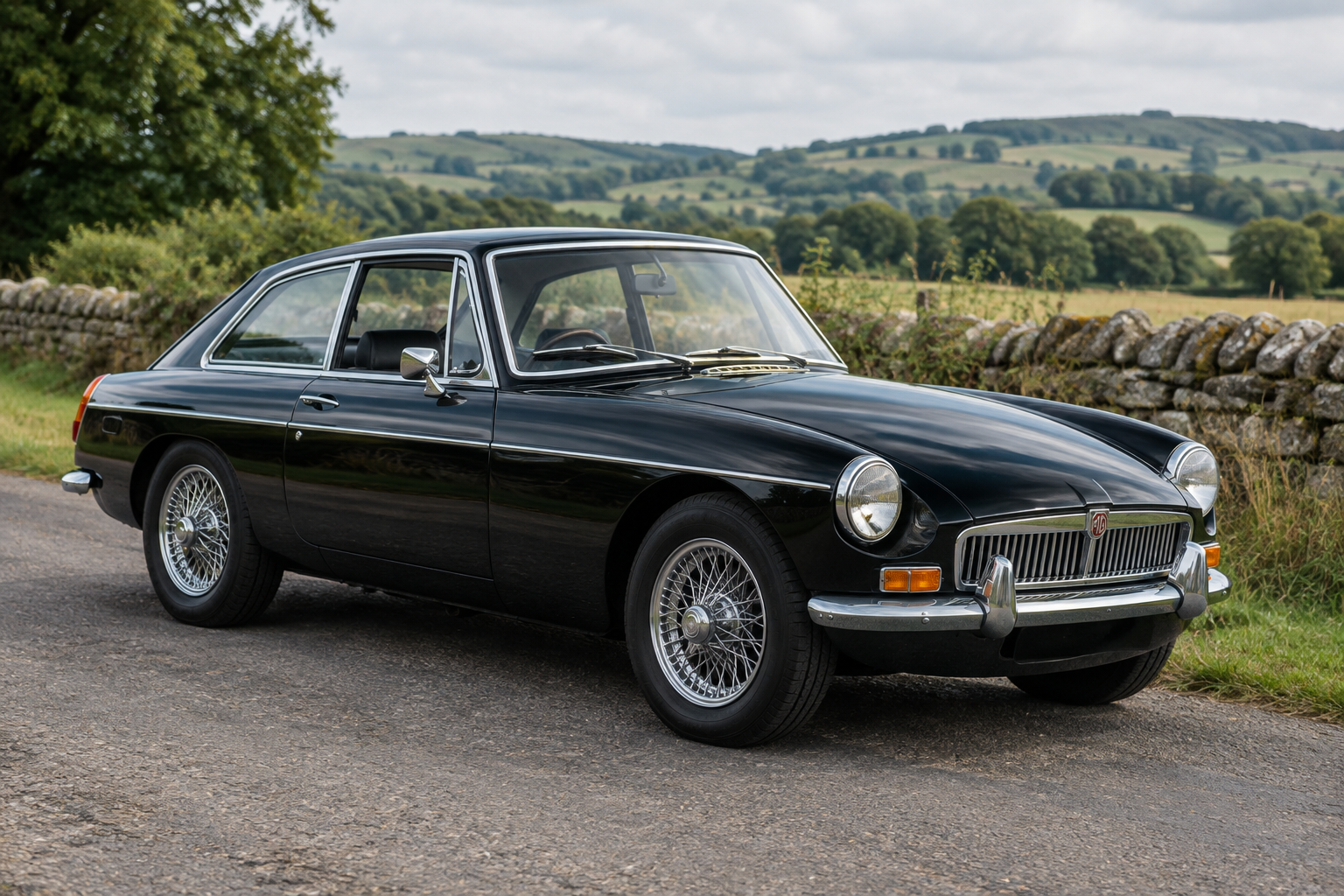
Restoring an MGB is a rewarding project, but the best results usually come from careful planning rather than enthusiasm alone. Whether the car is a complete restoration project, a running vehicle needing gradual improvement or an already refurbished example requiring finishing work, the same principle applies: establish what the car needs, decide what you want it to become and then approach the work in a logical order.
An MGB can be restored in many different ways. Some owners aim for factory-style originality, while others want a dependable road car with discreet mechanical improvements. Neither approach is automatically right or wrong. The important thing is to choose a direction before major work begins, because changes in specification can affect the bodywork, suspension, engine, trim, electrical system and overall cost.
Begin with the car’s intended use
Before making a parts list, decide how the finished MGB will be used. A car intended for occasional sunny-day trips may be approached differently from one expected to cover long distances, attend events or serve as regular transport.
Consider the roads you use, the number of passengers you carry, the storage space you need and whether originality matters to you. An MGB Roadster offers open-air driving and a different character from an MGB GT, while both can be made enjoyable in their own right. Your intended use should influence decisions such as seating, heating, luggage arrangements, gearing, suspension settings and weather protection.
It is also worth deciding whether the restoration should preserve the car’s existing identity. Retaining its original engine, colour combination, trim style or period details may be important to one owner, whereas another may prefer a sympathetic, usable interpretation. Write down your priorities. This simple step helps prevent expensive changes of direction later.
Separate essential work from optional improvement
A useful restoration plan divides work into three broad categories:
- Safety and structure: corrosion repairs, sound mounting points, reliable steering, effective brakes, secure fuel lines and properly functioning lighting.
- Reliability and usability: cooling, charging, starting, weather sealing, gearbox operation, suspension condition and sensible servicing.
- Appearance and refinement: paint, brightwork, trim, carpeting, wheels, detailing and cosmetic finishing.
This order is not a rigid rule, but it keeps attention on the foundations of the car. A freshly painted shell cannot compensate for poorly repaired structural metal, and new interior trim will not make an unreliable mechanical system easier to diagnose.
Optional upgrades should also be identified separately from necessary repairs. Modern components may improve convenience or durability, but every change should suit the car and its intended use. A restoration can become unfocused when too many modifications are added simply because they are available.
Inspect the shell before committing to cosmetic work
Bodywork is often the most significant area of an MGB restoration, particularly where corrosion has affected structural sections, panel edges, inner wings, floors, sills or suspension mounting areas. Surface rust and bubbling paint may be relatively localised, but visible corrosion can also indicate problems behind panels or beneath protective coatings.
A proper inspection should include the underside, inner panels, door apertures, boot area, scuttle, wheel arches and the points where suspension and body components are attached. Doors, bonnet and boot lid should be checked for fit, gaps and evidence of previous repairs. It is sensible to assess whether a panel is original, repairable or likely to require replacement, rather than assuming that every imperfect panel needs to be discarded.
Take photographs and notes before dismantling. Mark areas of concern on a copy of the car’s outline or create a simple written schedule. This record can help separate confirmed problems from assumptions and provides a useful reference when the car is stripped.
Do not begin with paint preparation until the body has been properly assessed. Paintwork can hide repairs, and removing components or coatings may reveal additional work. A restoration plan should allow for discoveries, especially when the car has been modified or repaired during its previous life.
Make a measured dismantling plan
Complete dismantling is not always necessary. If the car is sound and the work is limited, a carefully managed rolling restoration may be practical. If extensive metalwork, paintwork or mechanical refurbishment is required, dismantling may provide better access and a clearer understanding of the vehicle.
Whichever route you choose, label parts as they are removed. Store fasteners in marked containers and photograph assemblies before separation. Small details such as washer positions, cable routing, brackets and spacers can be difficult to recall months later.
Keep a list of parts that are:
- ready for reuse after cleaning and inspection;
- in need of refurbishment;
- best replaced for safety or reliability;
- missing and requiring identification.
This approach avoids buying parts too early and reduces the chance of overlooking items during reassembly. It also makes it easier to compare the condition of related components. For example, replacing one worn mounting component while leaving another neglected may create further work later.
Choose an appropriate specification
There is no single correct specification for every restored MGB. A period-style restoration may concentrate on appearance, materials and equipment associated with the car’s era. A practical touring specification may retain the original character while adding carefully selected improvements for regular use.
Before choosing upgrades, consider their effect on the complete car. An engine change may influence exhaust routing, cooling, wiring, gearbox compatibility and engine bay presentation. Suspension changes can affect ride, handling and clearance. Electrical additions may require changes to protection, wiring capacity or switchgear.
Compatibility matters more than the popularity of an individual component. Parts should work together and be suitable for the car’s condition. If you are considering a professionally prepared vehicle, the MGB rebuild specification page provides a useful place to review the type of information associated with a rebuild specification.
Plan mechanical work as a system
An MGB’s mechanical systems should be considered together rather than as isolated tasks. Engine condition, gearbox operation, clutch action, propshaft joints, axle, brakes, suspension and steering all contribute to the driving experience.
Start by establishing the condition of major assemblies. Compression readings, oil pressure checks, inspection of fluids and examination of removed components can help determine whether an engine requires routine service, partial refurbishment or a complete rebuild. Similar care should be taken with the gearbox and rear axle. Noise, leaks and difficult engagement may have more than one cause, so diagnosis is preferable to replacing parts by guesswork.
Renewing seals, hoses, mounts and fasteners may be sensible when access is straightforward, but replacement should still be based on condition and suitability. Cleanliness is particularly important during assembly. Dirt introduced into hydraulic, fuel or lubrication systems can create problems after the car appears complete.
Keep a written record of measurements, clearances, parts fitted and work completed. This is valuable for future servicing and helps maintain a clear distinction between work that has been confirmed and work that remains to be checked.
Do not overlook weather protection and trim
Cosmetic restoration is more than choosing a paint colour. Seals, drainage paths, hood fittings, door glass, window channels and boot seals all contribute to the car’s ability to cope with normal weather. These items can also affect noise, water ingress and the condition of the restored interior.
Before ordering trim, inspect the condition of the seats, door cards, dashboard, carpets and hood frame. Some parts may be repairable, while others may need replacement because their materials have deteriorated. Check that the chosen trim suits the intended specification and that all necessary clips, fasteners and finishing pieces are available.
Where originality is important, retain samples of existing materials and note their placement before removal. Where practicality is the priority, select durable materials and finishes without losing the simple character that makes an MGB distinctive.
Allow time for testing and correction
A restoration is not finished when the last panel is fitted or the engine starts. The first running period should be treated as a structured testing phase. Inspect for leaks, unusual noises, loose fixings, poor alignment, overheating, charging faults and changes in fluid levels. Recheck accessible fasteners after initial use and investigate any new vibration or handling change promptly.
Begin with short journeys in suitable conditions. Test one aspect at a time where possible, making notes after each drive. Confirm that the engine starts consistently, controls operate correctly and the car behaves predictably under braking, acceleration and cornering. It is easier to identify a fault when the circumstances have been recorded.
Do not rush to correct every minor cosmetic detail before the car has been driven and checked. Early use may reveal adjustments needed for seals, trim, throttle linkage, clutch operation or suspension alignment. Once the mechanical and practical aspects are settled, final detailing becomes more worthwhile.
Keep the restoration documented
Photographs, invoices, part numbers, measurements and dated notes create a useful record of the work. Documentation can help with future maintenance, explain the car’s specification and show which components were inspected or replaced. It also protects against relying on memory when the car is serviced several years later.
If you are comparing completed cars rather than restoring one yourself, looking at current MGB stock can provide a way to see vehicles available through California Classics (Hull) Ltd. The sold cars section may also be useful when considering examples that have previously been offered.
A restoration should serve the owner
The most successful MGB restoration is not necessarily the one with the longest parts list or the most expensive finish. It is the one that matches the owner’s expectations, uses sound methods and leaves the car enjoyable to operate.
Define the purpose, inspect before dismantling, repair structure before appearance, choose compatible improvements and test methodically. If you would like to discuss an MGB project or a completed car, you can use the contact page to make an enquiry. A clear plan at the beginning gives every later decision a better chance of being the right one.