
Want to Buy MGB V8? This Is What You Need to Know
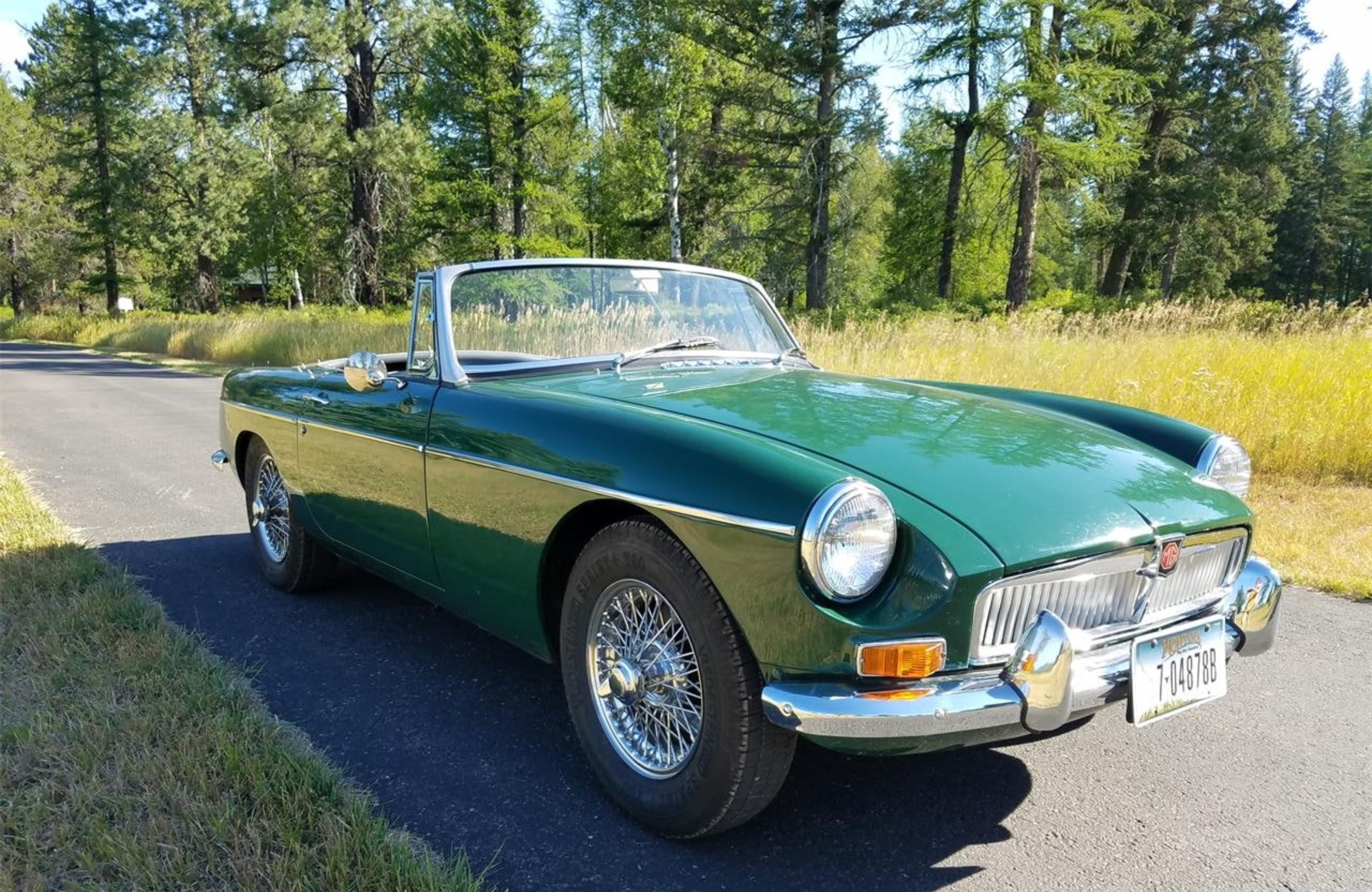
MGB V8 – a name that resonates with the heartbeat of classic car aficionados. This isn't just any vintage ride; it's a symbol of British automotive excellence. But before you get swept away by its allure, it's crucial to understand its legacy, mechanics, and what truly makes it tick. Whether you're a seasoned collector or a newbie with a passion, here's a comprehensive guide on what you need to know before making the MGB V8 your next prized possession.
Let's shift gears and delve deep!
A Short History
The MGB, manufactured by the British Motor Corporation (BMC) and later by its successors, first graced the roads in 1962. It was an evolution, a modern successor to the MGA, and quickly became a symbol of the 1960s British sports car boom. Sleek, affordable, and with a performance that appealed to the masses, the MGB was an instant hit.
Here's the timeline: From its inception in 1962 to the roaring V8 introduction in the '70s, the MGB's journey is a thrilling ride through automotive history:
-
1962: The MGB Roadster was first launched at the British Motor Show at Earls Court in London.
-
1964: A five-bearing engine supersedes the original three-bearing unit, a big improvement.
-
1965: The GT is launched with the same mechanical components as the Roadster.
-
1967: The MkII MGB arrives with an all-synchro gearbox, negative earth electrics, and an alternator. There’s even an automatic gearbox option.
-
1973: The MGB GT V8 is here! The Buick-derived Rover V8 provides the power; sadly, it was only produced until late 1976.
-
1974: Rubber bumpers replace chrome, but the raised ride height hurts the handling and the look and feel.
-
1980: The last MGB was built on 22 October, the final 1000 were special edition LE models.
-
1988: British Motor Heritage provides brand new MGB Roadster and GT body shells in LHD and RHD format.
-
1992: The MGB is offered as the V8-powered RV8; only 2000 were produced in a three-year period.
What You Should be Aware of When Buying an MGB V8
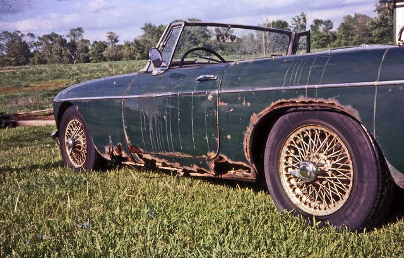
After more than 40 years the dreaded rust is almost certainly going to be found in a car using a Monocoque design. The biggest areas prone to corrode are the sills and the inner castle rails, which are the main strengthening components. Other vulnerable places are under the wings and along the sills and floor areas. These are not all easy areas to investigate either, so Buyers beware.
One simple and easy way to check for the body strength is by looking at the door gaps, which should all be equal, if when using a trolley jack to lift front and rear alternately causes doors to be difficult to open and close, this is a sure sign something is badly wrong!
Severe Rust Examples
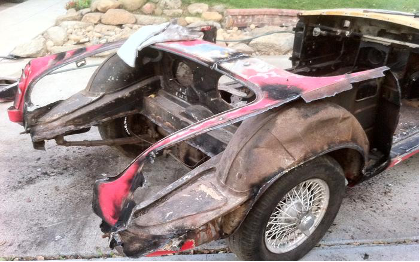
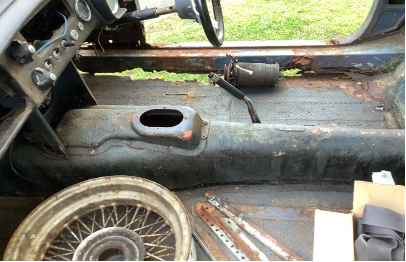
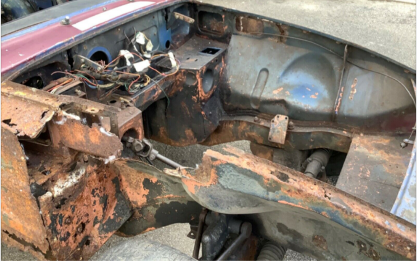
Here is just one example of a CCHL V8 Rebuild
https://www.cchl.co.uk/vehicle/31/mgb-roadster-3-5-v8.html
V8 Engine
Do not be dismayed if, when viewing V8 oil pressure, the normal range is 30 to 40psi whilst tick-over is 20psi these are both within the original design parameters.
Look for any blue smoke indicating worn engine components or any unusual knocks and rattles.
Gearbox
The original gearbox was not the smoothest or easiest to operate. This was a great pity, as the V8 engine made such a positive difference.
Electrical System
Ensure all electric items function adequately or try and determine why some items do not work, as they should.
The V8 engine transforms the traditional MG MGB GT into something wonderful and exhilarating to drive.
British Leyland began the planned V8 in 1972, but they only produced a GT version, they considered it to be a better seller than the Roadster, how wrong they were!
The MGB GT V8 was often thought of as the right car, at the wrong time, many believed it was obvious to fit the V8 engine with detailed engine bay into the MGB, it made the car much more fun, and with its epic exhaust note with tubular manifolds, it was a great pairing.
CCHL's 4 litre V8 is a great option to buy a new MGB V8, it has a better power-to-weight ratio, is coupled to an improved gearbox, brakes, back axle and suspension are all upgraded too, other custom parts are also available.
MGB Roadster V8 conversion
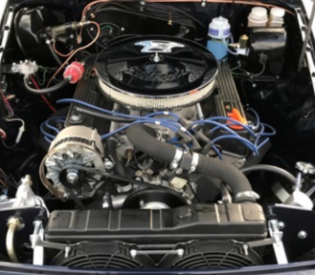
Completed V8 Roadster
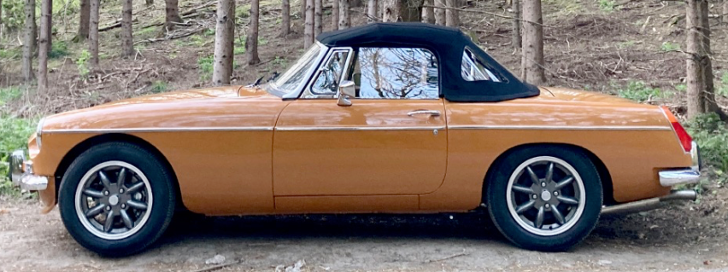
The original MGB GT V8 was launched at the beginning of the fuel crisis, production ran from 1973–76 with just 2,591 examples rolled out of Abingdon before production ceased. The fact that so few were built is now pushing prices up today as they become scarcer.
Even by today's standards, it was quick with an 0-60mph in 8.6 seconds and 125mph capability, it competed well with the E-type Jaguar and Big Healey's but with a much lower price tag.
The weight saved at the front also meant that the V8 retained the MGB's natural balance, although the combination of the additional power and slightly wider tyres means that it didn't feel quite as sharp.
When launched, it cost £2293, much less than some of its more prestigious rivals, but it was seen as a hefty price tag for an MG compared to the more mass-produced modern cars of its day. It was £746 more than its four-cylinder MGB and £642 more than a 3.0 litre Ford Capri, which was its closest rival.
The sale was steady, but it never really ignited the world, and after a few short years, the end was in sight, and the MGB GT V8 production ceased in 1976 in the UK, fortunately, you can now buy an MGB V8 built to your own individual specification with a fully rustproofed body shell from CCHL in RHD or LHD form in any colour of body and type of interior you desire.
Two Finished Examples
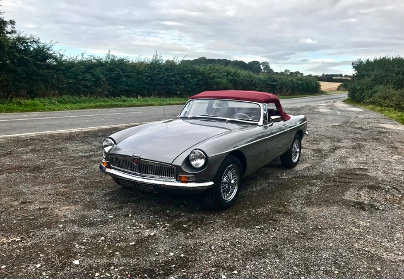
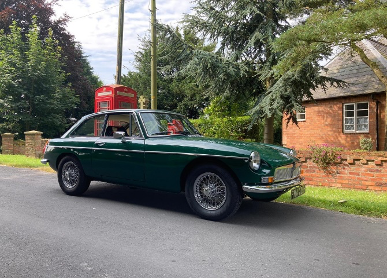
Another V8 example, this time with wire wheels.
https://www.cchl.co.uk/vehicle/5/mgb-roadster.html
The MGB GT V8 boasted the following equipment as standard –
-
Laycock overdrive
-
Brake servo unit
-
Alloy wheels
-
Twin electric cooling fans
-
Tinted glass
-
Twin exterior mirrors
-
Hazard warning lights
-
Head restraints
MGB GT V8 Gearbox ratios
1st 3.163
2nd 1.888
3rd 1.333
4th 1.000
5th 0.814
Reverse 3.758
This MGB V8 has steel knock off wheels
https://www.cchl.co.uk/vehicle/6/mgb-gt-v8.html
Original MG Gearbox
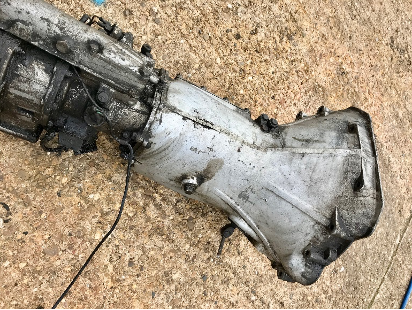
CCHL MGB V8 Gear ratios
Gear Gearbox Ratio
1st 3.138
2nd 1.974
3rd 1.259
4th 1.000
Overdrive 0.820
Reverse 2.819
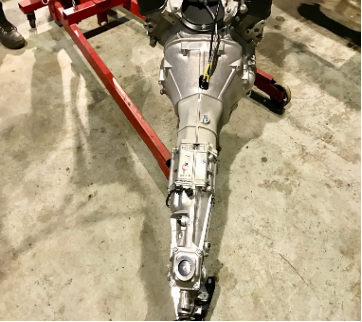
CCHL V8 5 Speed Gearbox
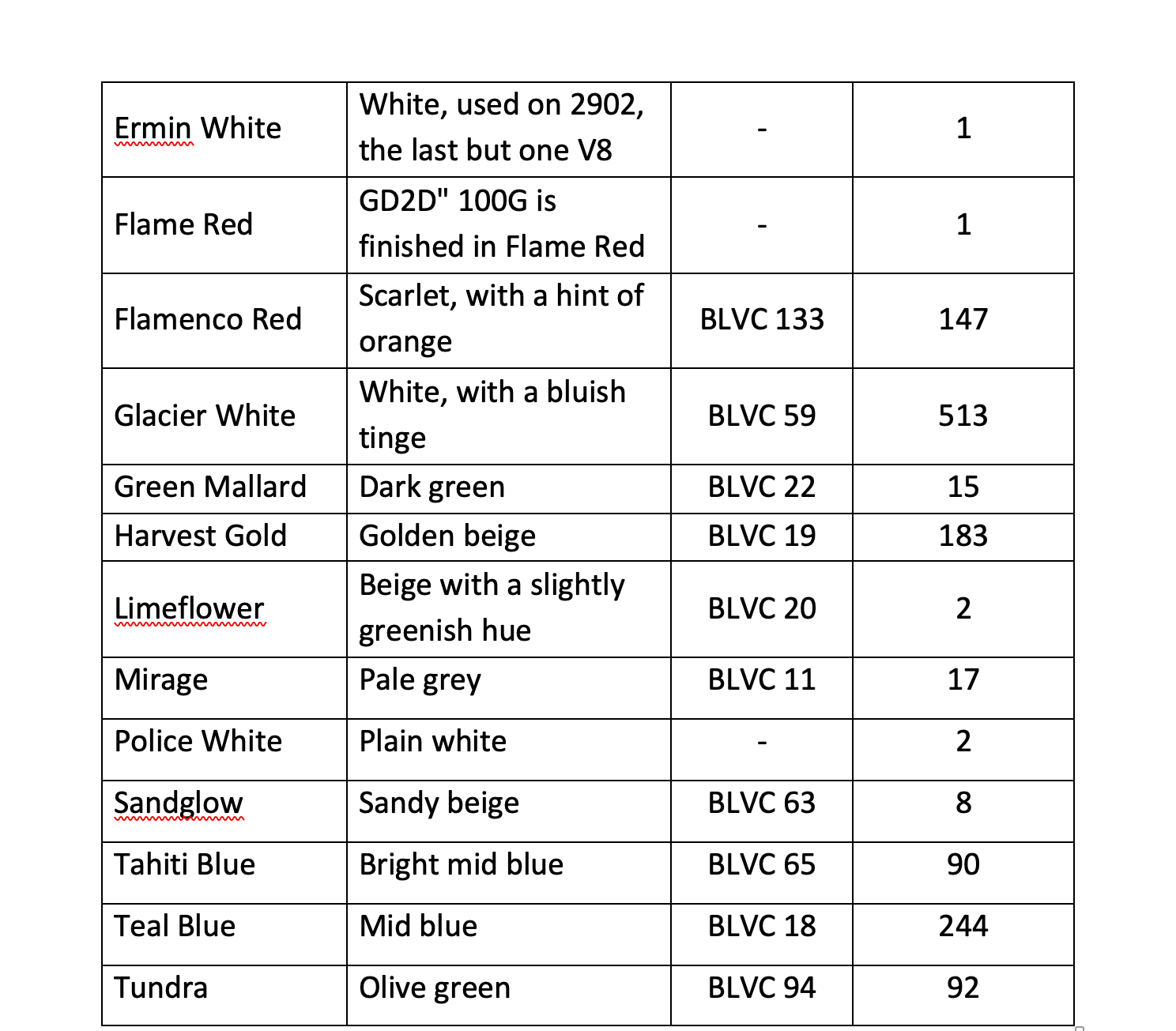
(Note the number of cars produced above includes pre-production models, so actual numbers sold do not correspond precisely to the above)
Since the early days of the V8 transplant, many conversions and upgrades have become available. CCHL offers a vast array of improved brake and suspension options if you want to buy an MGB V8. They are fitted with even better V8 engines making them accelerate, stop and go around corners much better than the factory models; LHD, roadster and GT models are both available.
MGB interior trim
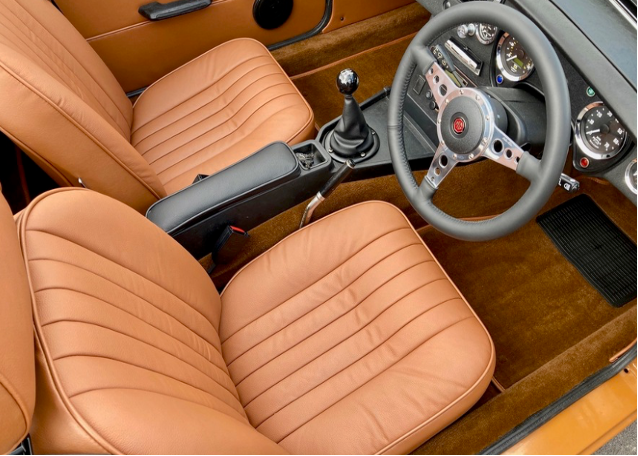
Minimal interior additions were made, with headrests becoming a standard fitment and inertia-reel seat belts on the GT V8 models, these were both extra on the regular MGB.
MGB GT V8 brakes
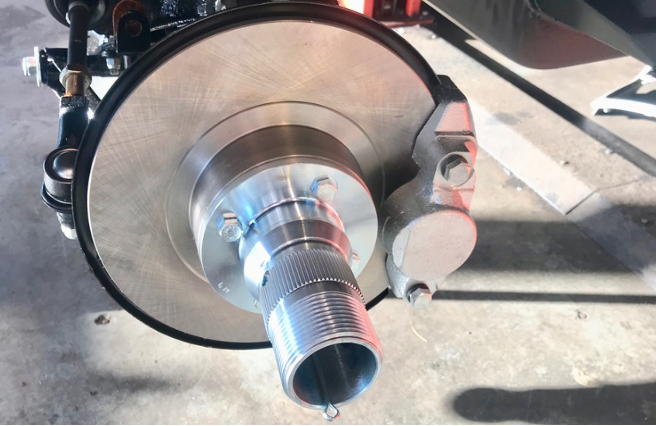
It's always an excellent decision to improve the brakes on any car that is tuned to go faster than the original design, and the brakes were improved on the GT V8. The front brake system was fitted with larger brake callipers along with uprated brake discs, which helped bring the car to a safe stop.
Front disc assembly
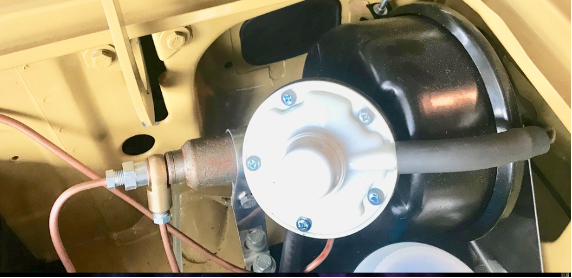
A remote brake servo unit soon became standard on the V8 model to give some assistance. This setup was soon included on all MGBs, whether they were 1800cc or 3500cc versions.
Servo unit on V8
To help keep the fuel consumption to a reasonable level, the V8 was fitted with the MGC's 3.07:1 differential. This aided long-distance cruising, all V8 cars equipped with the overdrive gearbox made covering longer distances more pleasurable. No changes were made to the rear axle, although the prop shaft material was stronger for the V8 cars.
THE V8 ENGINE
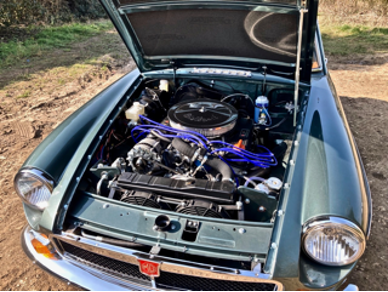
The V8 engine is much lighter than the four-cylinder variant. It weighs 40 lbs less. The block was made from aluminium; the cylinder heads were die-cast aluminium with iron valve guides and valve seats. The actual design of the engine was fairly standard, with a five-main bearing crankshaft and a centrally mounted camshaft driven by a chain.
The factory V8 cars had an 88.9mm bore with a 71.1mm stroke giving an engine capacity of 3528cc. Modifications were made to enable the engine to fit into the MGB engine bay to avoid any bonnet bulges or alterations. The inlet manifold was constructed so the carburettors could be installed at the rear of the engine, very close to the heater box; this gave just enough clearance for the bonnet to close.
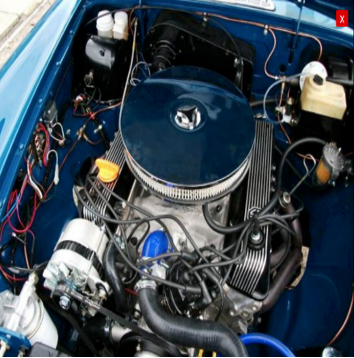
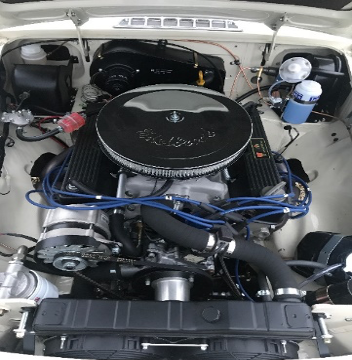
Not much changed in the engine compartment throughout the MGB GT V8 production. Many parts were used from the standard MGB, such as
the pedal box and heater system. The V8 engine had to use a remote oil filter that was situated on the radiator support panel on the left-hand side with the pipes running to the oil cooler mounted on the front panel.
Fuel system
The V8 engine used a pair of HIF6 SU carburetors fitted to the rear of the engine compartment, a very similar design to the 1.8 MGB carburetors but with a choke diameter of 1 1/3 in. An air box was designed to fit across both the carburetors; this was very shallow, as it had to fit in front of the heater box, the air filters themselves protruding forward over the rocker covers.
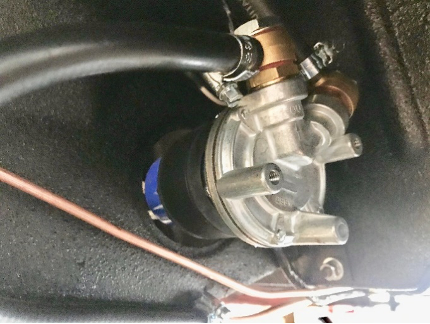
All CCHL models have improved the air filters. The original equipment SU electric fuel pump was a standard item found on all MGB's, MGB V8 and MGC cars. It was effective enough to cope with all engine sizes; unfortunately they were not 100% reliable.
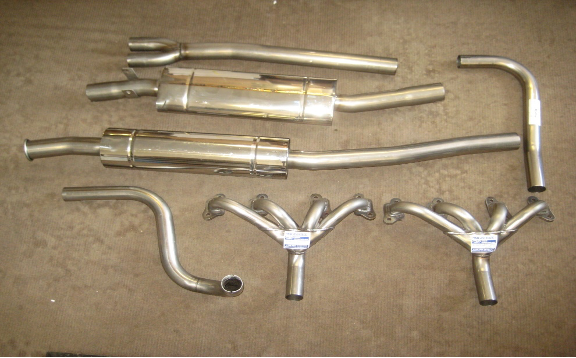
Classic Car MGB GT V8 Exhaust System
Like many components for the V8 derivative, there was only one choice, and the same exhaust system was fitted to all models.
MGB GT V8 with Minilite wheels
https://www.cchl.co.uk/vehicle/4/mgb-v8.html
MGB GT V8 Cooling System Like Modern Cars
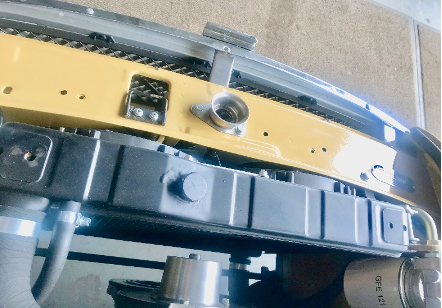
Improvements were made to cool the bigger engine; the radiator was moved towards the front of the car. This gave more space in the engine bay, allowing the engine to fit, a pair of twin cooling fans were slotted between the radiator and the front panel.
The fans were thermostatically controlled and set to kick in at 90°C. The design of the front grille also helped by allowing airflow to pass through more easily, again helping to keep the temperature down to a manageable level.
The cooling system was semi-sealed and came with a separate expansion tank fitted on the left inner wing. This same system was rolled out on all MGB's from 1977 as the engine bay alterations remained for the V8, allowing the 3500cc engine to slot in.
MGB GT V8 Ignition system
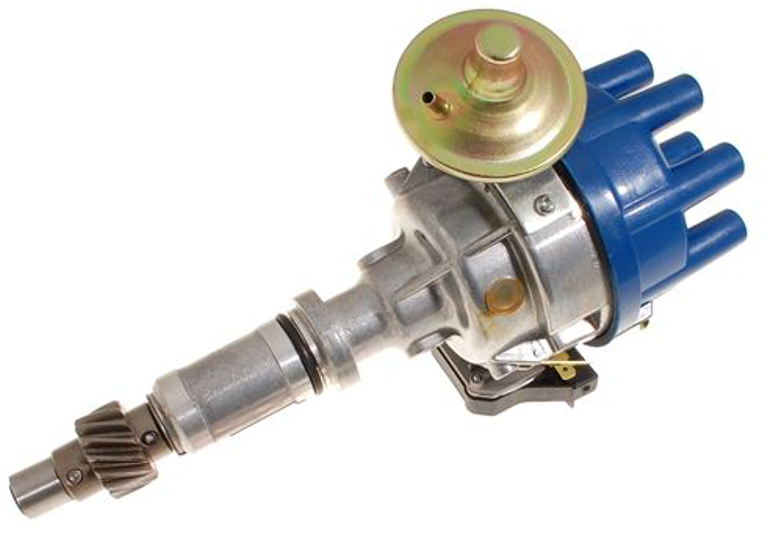
A Lucas 35D8 distributor was installed on the GT V8; a Lucas ballast coil was mounted on the radiator surround. The firing order was 1-8-4-3-6-5-7-2, with odd numbers on the left-hand cylinders and even numbers on the right.
MGB GT V8 GEARBOX
The gearbox on the V8 car was modified, the casing was altered to allow a larger 9 1/2-inch clutch, and the clutch master cylinder was strengthened compared to the four-cylinder model. A different speedometer drive was used, but no other significant changes were noted throughout the production, CCHL Offers a much-improved gearbox if you want to buy an MGB V8 that really works well and runs much smoother with improved ratios too.
MGB GT V8 Production Numbers
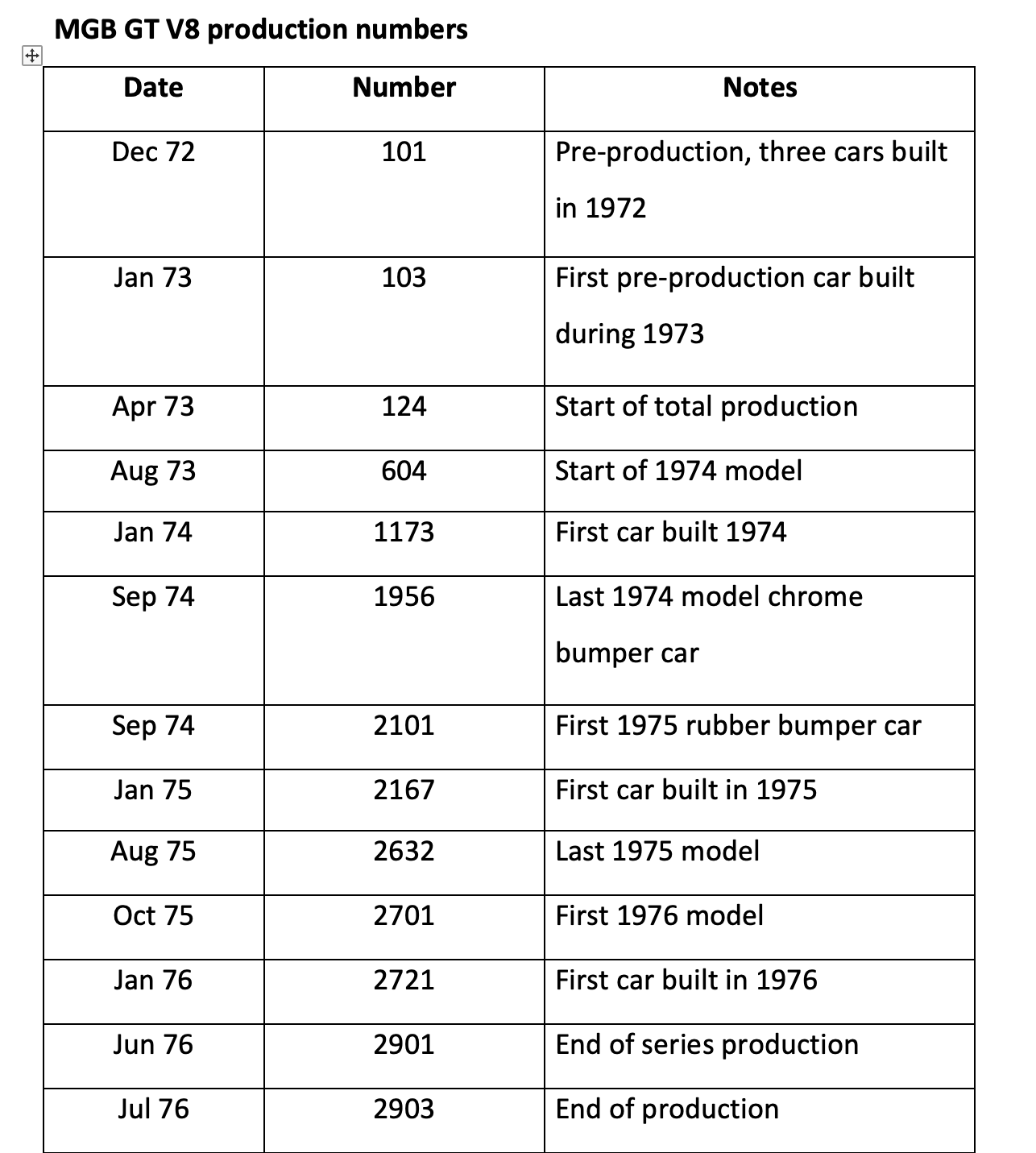
The total number of cars produced was 2591 with 1856 chrome bumpers and the remainder 735 rubber bumpers.
MGB GT V8 wheels
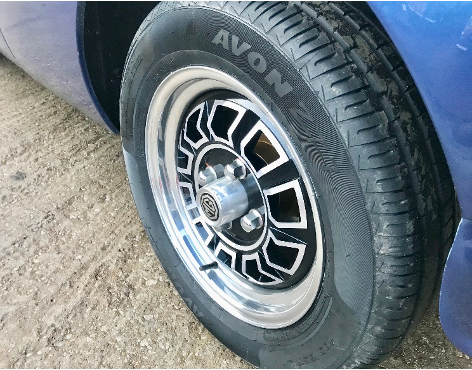
The wheels on the GT V8 were unique to this model and were previously supplied by Dunlop; the Centre section was cast alloy, and the outer rim was made of chrome-plated steel. They were the same four-stud pattern as the rest of the MGB range, but the wheel nuts were larger in size and unique to this wheel style. The rim size was 5Jx14, and all had a Centre cap with the MG logo to finish them off.
This particular wheel style was also used on the Jubilee model in 1975 but painted black and gold with a gold MG badge. 175HR-14 radial ply tires were used for the V8 cars. This was the only style of a wheel offered on the MGB GT V8 cars; it was one of the more distinctive signs that the V8 was different from the standard car.
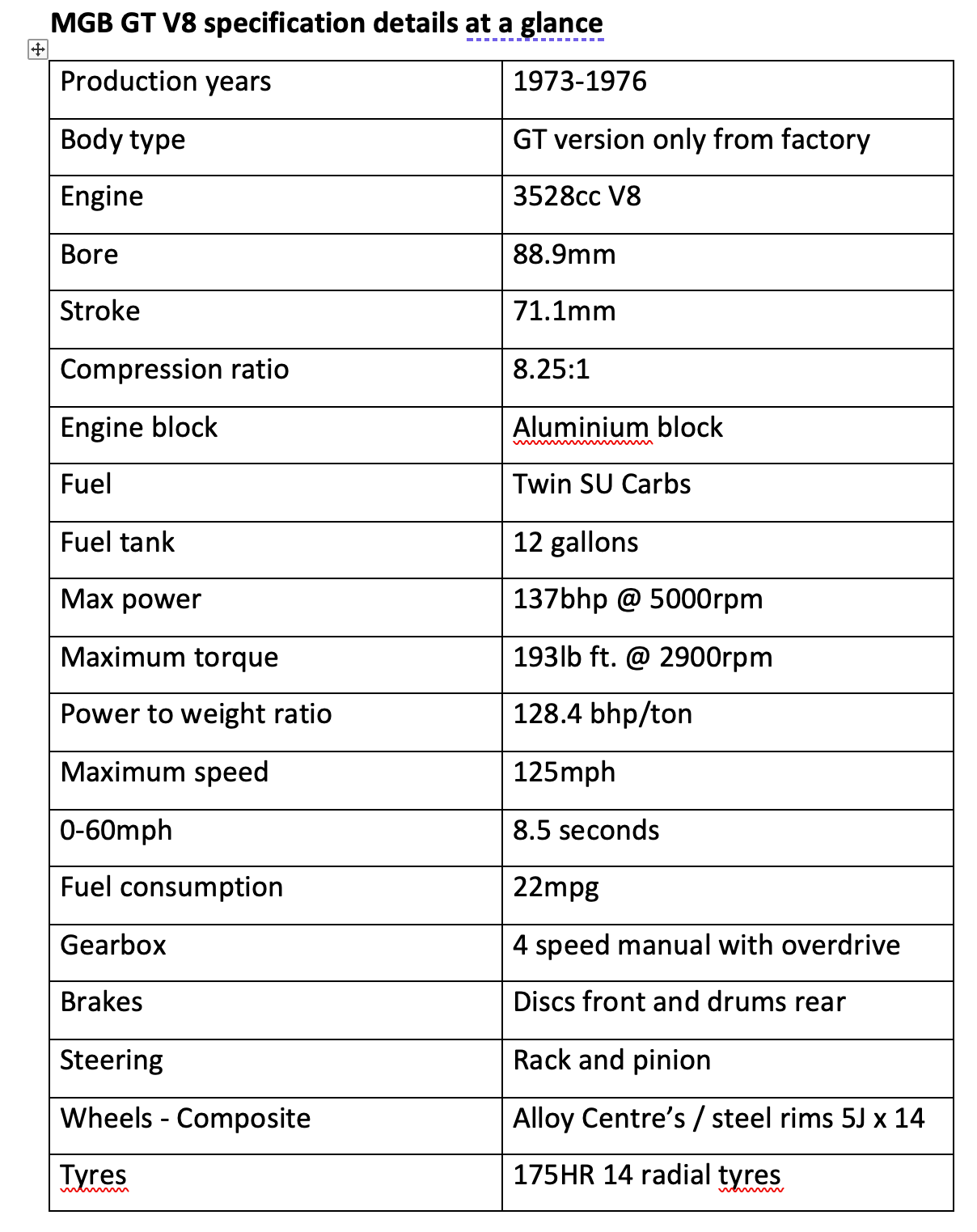
MGB GT V8 specification details at a glance
Pricing History
CCHL Began trading in the early ’90s, back then you could buy a decent MGB Roadster from private sellers for around £7,000 depending on the car's specification; of course, this price increased to circa £15,000 in 2014 to between £31,000 and £55,000 today depending on the specification you require.
California Classics (Hull) Limited,
CCHL,
29 Bankside,
Hull,
East Yorkshire,
HU51SY,
United Kingdom.
Call Simon Lucas at 01482 441551 or email at info@cchl.co.uk